
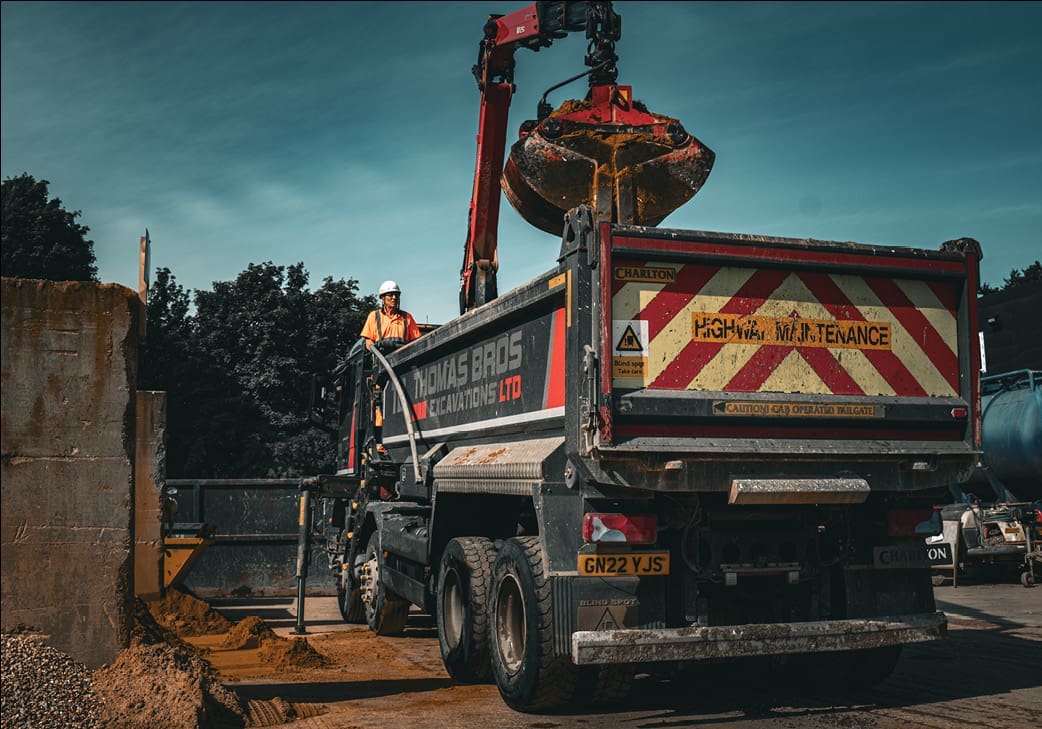
What Affects Grab Hire Prices?
Overview
Grab hire pricing in the UK is influenced by a combination of operational, regulatory, and logistical factors. Understanding these helps customers budget accurately and avoid unexpected costs.
Key Factors That Affect Grab Hire Prices
1. Type of Waste
Waste classification is the biggest cost driver:
- Inert waste: cheapest (soil, hardcore, rubble)
- Non-hazardous waste: moderate cost (mixed construction waste)
- Contaminated waste: highest cost due to special handling requirements
2. Volume and Weight
Grab lorries are limited by weight rather than space. Dense materials such as wet soil or concrete reduce the total volume per load.
3. Disposal Fees
Waste transfer stations charge different rates depending on:
- Material type
- Recycling potential
- Environmental regulations
- Landfill tax (where applicable)
4. Transport Distance
Fuel usage and driver time significantly impact pricing, especially for remote sites.
5. Site Accessibility
Costs may increase if:
- The lorry cannot park close to the waste pile
- The grab arm must extend over obstacles
- Multiple repositioning is required
6. Urgency of Service
Same-day or emergency grab hire may carry a premium due to scheduling adjustments.
How to Reduce Grab Hire Costs
You can often reduce costs by:
- Sorting waste before collection
- Keeping waste piles accessible
- Booking planned collections in advance
- Using grab hire for bulk removal instead of multiple skips
Why Transparent Pricing Matters
At Thomas Bros, pricing is based on clear operational factors, ensuring customers understand exactly what they are paying for, including disposal and transport.
FAQs
Why does mixed waste cost more?
Because it requires sorting and higher disposal fees.
Does access affect price?
Yes, difficult access can increase loading time and cost.
Can I reduce costs by preparing the site?
Yes, good site access reduces labour time and overall cost.
Speak to Thomas Bros
For transparent, competitive grab hire pricing, contact our team today.